
★★★★★ “Best plumber in Nassau County”
★★★★★ “Saved us during emergency”
★★★★★ “On time, clean work, fair price”
★★★★★ “Best plumber in Nassau County”
★★★★★ “Saved us during emergency”
Boiler Installation Should Fit the Home, Not the Brochure.
Long Island homes have evolved through decades of additions, conversions, and renovations. One home may have cast-iron radiators and a steam boiler. The next may use baseboard on several hydronic zones. Another may have an indirect water heater, a converted fuel source, or a finished basement that changes venting options.
That is why boiler installation starts with the existing system. The installer should consider heat demand, radiation, piping condition, venting, controls, domestic hot-water needs, and any code-related upgrades before equipment is selected.
Sal Manzo Plumbing, Heating & Cooling has served Long Island homeowners since 1986 and works across plumbing and heating systems under one company. That matters because boiler work often overlaps with piping, valves, circulators, gas piping, venting, and hot-water equipment.
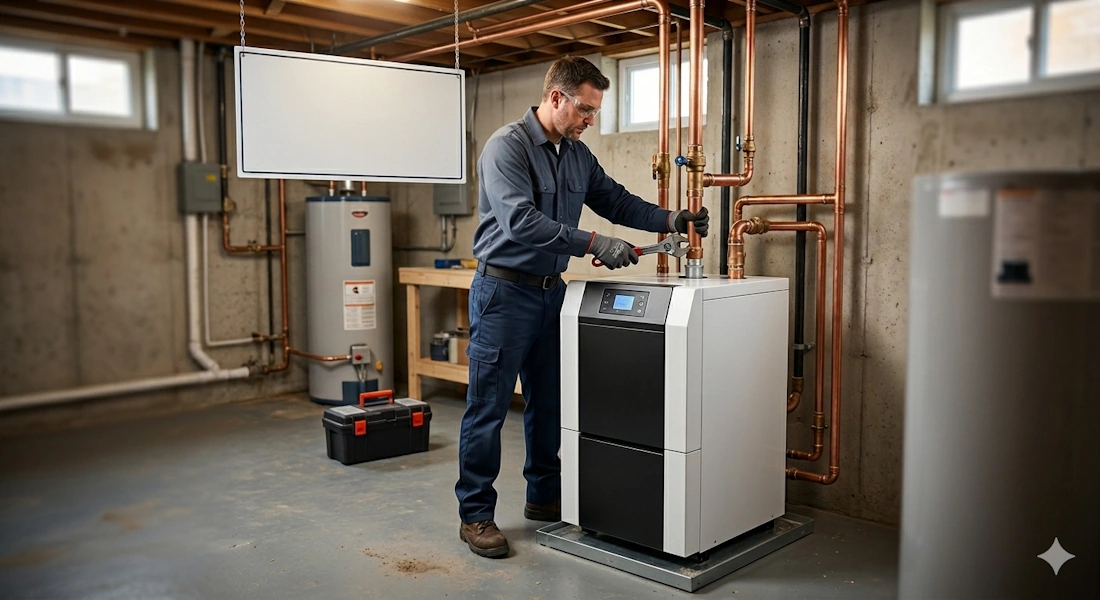
Signs It May Be Time for a New Boiler
A boiler does not need to be completely dead before replacement deserves a serious look. Planning while the system still works gives you more choices than an emergency replacement during a cold snap.
Age matters, but reliability, safety, efficiency, repair history, comfort, and long-term cost matter more. A dependable older boiler may still have useful life. A newer one with repeated leaks, corrosion, control failures, poor comfort, or expensive repairs may not.
- Repeated boiler repairs or shutdowns during heating season
- Visible leaking, corrosion, scaling, or deteriorated connected piping
- Rooms or zones that stay cold after controls and circulation are addressed
- Rising fuel use without a matching change in weather or household habits
- Aging equipment with difficult or expensive replacement parts
- An oversized boiler that short-cycles or never operates smoothly
- Remodeling, fuel conversion, or indirect hot-water work changing the system
- Safety, venting, combustion, or chimney concerns
Repair the Problem or Replace the Boiler? Start With the Whole System.
A failed circulator, thermostat, zone valve, ignition component, or control does not automatically mean the boiler is finished. If the system is otherwise dependable and the problem is isolated, boiler repair may still be the smarter move.
Replacement becomes more compelling when service calls keep repeating, efficiency and comfort are slipping, corrosion or venting problems are developing, parts are difficult to source, or the boiler no longer fits the home after years of renovations and system changes.
Repair may make sense
One isolated problem, otherwise dependable system, acceptable safety and reasonable repair cost.
Replacement may make sense
Repeated failures, declining comfort, deteriorating equipment, poor efficiency or a system that no longer matches the house.
Not sure yet?
Have Manzo evaluate the boiler and connected heating system before deciding.
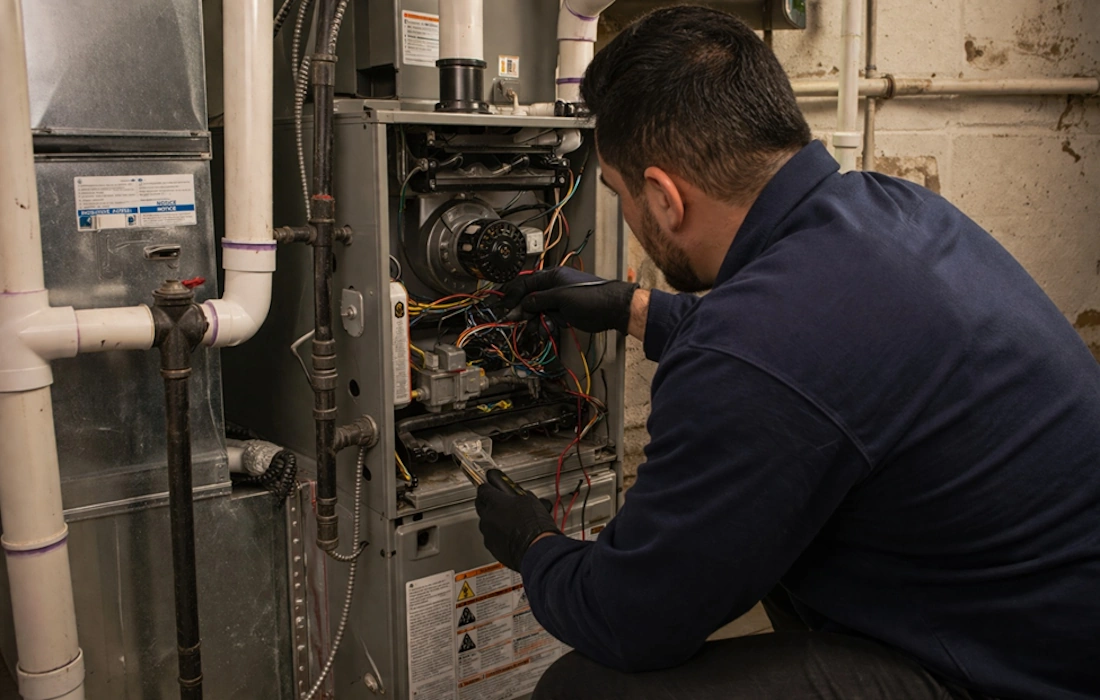
Steam or Hot Water? The Right Boiler Depends on the House You Already Own.
Long Island homes are all over the map. Some still run on steam radiators. Others use hot-water baseboard, multiple zones, indirect water heaters, or a mix of older and newer heating components.
The goal is not to sell the newest boiler in a brochure. It is to install the boiler that actually works with the home. A proper replacement starts by checking the existing piping, radiation, venting, controls, water demand, and heat load before equipment is selected.
Keep Steam Working Right
Best when the home already relies on steam radiators and the existing piping is worth preserving.
Better Zoning With Hot Water
Works with baseboard, radiators, zoning, circulators and room-by-room comfort control.
Use the Boiler for Hot Water Too
Useful when the boiler can also handle domestic hot-water demand efficiently.
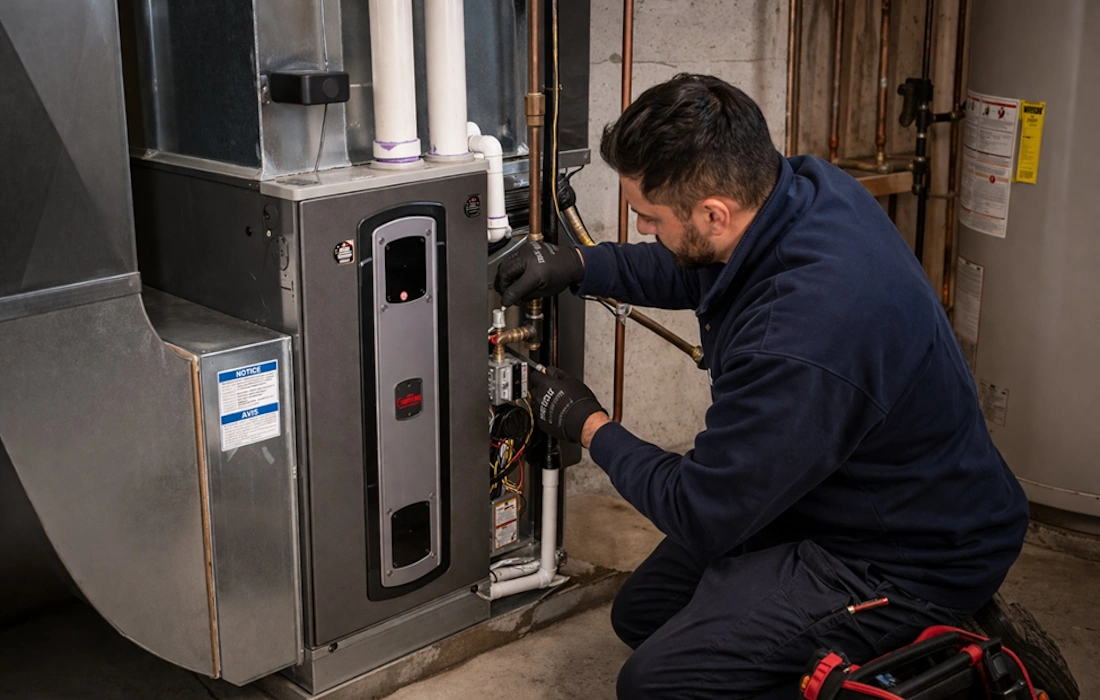
High-Efficiency and Condensing Boiler Installation
High-efficiency boilers can reduce fuel use, but only when the piping, venting, controls, drainage, and operating temperatures make sense for the house. The efficiency number on the brochure is only one part of the installation.
Condensing boilers may require sealed or direct venting, condensate drainage, updated controls, and different system temperatures than older conventional equipment. Existing radiation and zoning should be reviewed before the equipment is selected.
ENERGY STAR boiler guidance is a useful benchmark. Manzo should still size, pipe, vent, commission, and maintain the equipment for the actual Long Island home.
Venting
Sidewall or roof venting may replace an older chimney path.
Condensate
Drainage has to be planned and handled correctly.
Combustion air
Newer equipment can change combustion-air requirements.
Controls
Outdoor reset, modulation and zoning can improve comfort.
Radiation
Existing baseboard or radiators affect system temperatures and performance.
Maintenance
High-efficiency equipment still needs regular service.
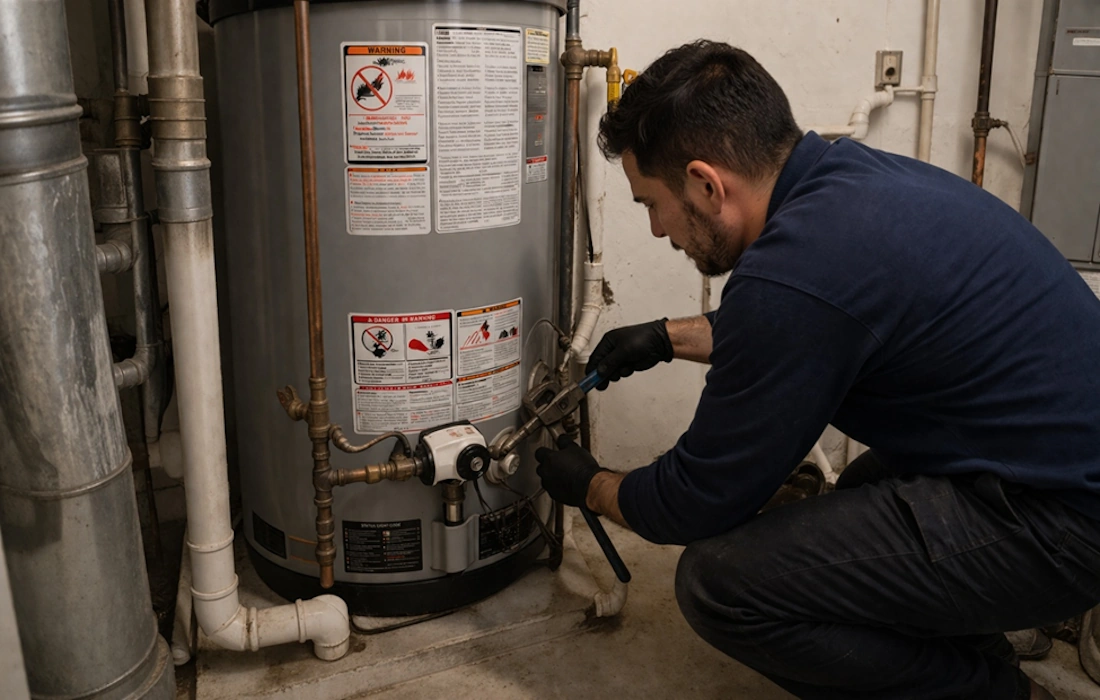
Gas, Oil, Venting, Chimneys, and the Parts Homeowners Never See in the Brochure
Fuel type changes the project. Gas work may require confirmation that the piping and meter capacity can support the connected load. Oil systems bring burner, tank, draft, oil-line, and chimney considerations. Fuel conversions can change the scope even more.
Venting deserves the same attention. An older boiler may vent into a chimney built around very different exhaust temperatures. Newer equipment may require a liner, different materials, or direct venting. Controls, shutoffs, expansion components, circulators, and near-boiler piping can also become part of the project.
A New Boiler Is Only as Good as the System Around It.
The boiler is one piece of the heating system. Piping, controls, zoning, venting, water flow, and radiation all affect whether the new equipment actually performs well.
Piping
Near-boiler piping, valves, pumps and flow.
Controls
Zoning, thermostats, circulators and outdoor reset.
Venting
Chimney condition, combustion air or direct venting.
Distribution
Radiators, baseboard and the way heat moves through the home.
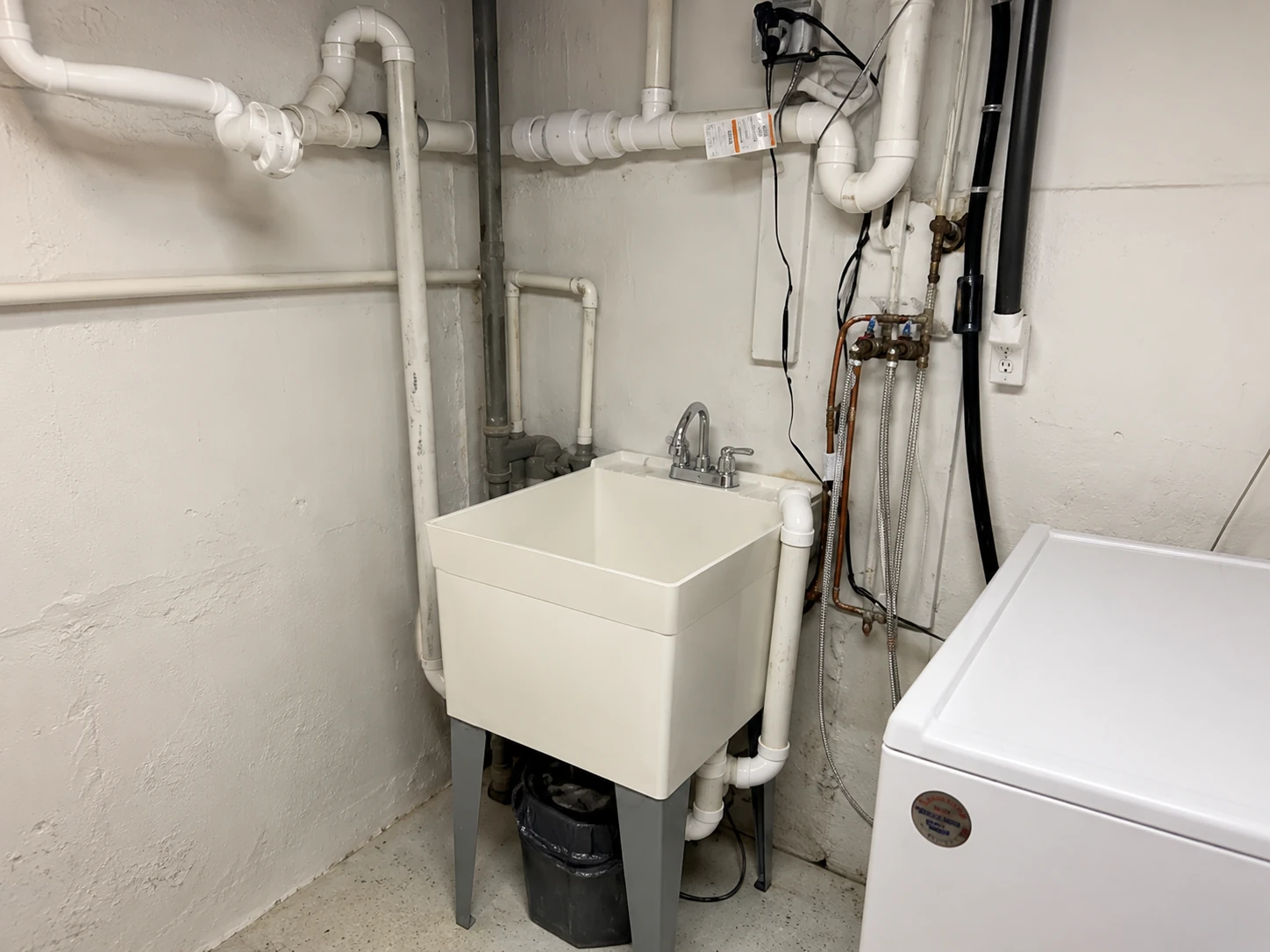
What to Expect During a Professional Boiler Installation
A professional boiler installation should feel organized, clean, and predictable. Before work begins, the homeowner should understand the equipment, the scope, the timeline, and what happens from removal through startup and final walkthrough.
Review the existing system
Boiler, fuel, piping, venting, radiation, zones and hot-water equipment.
Size and select equipment
Match the boiler to the house and distribution system.
Define the scope
Equipment, piping, controls, venting and upgrades.
Protect the home
Prepare the work area before removal begins.
Remove old equipment
Disconnect and remove the old boiler cleanly and safely.
Install and connect
Boiler, piping, venting, electrical and controls.
Start up and test
Verify operation, zones, combustion/venting and heat delivery.
Walkthrough and close-out
Explain controls, maintenance expectations and next steps.
$1,000 Off Installation or Replacement
Boiler • Heat Pump • Central Air • Qualifying full gas conversion with boiler replacement
SAL MANZO
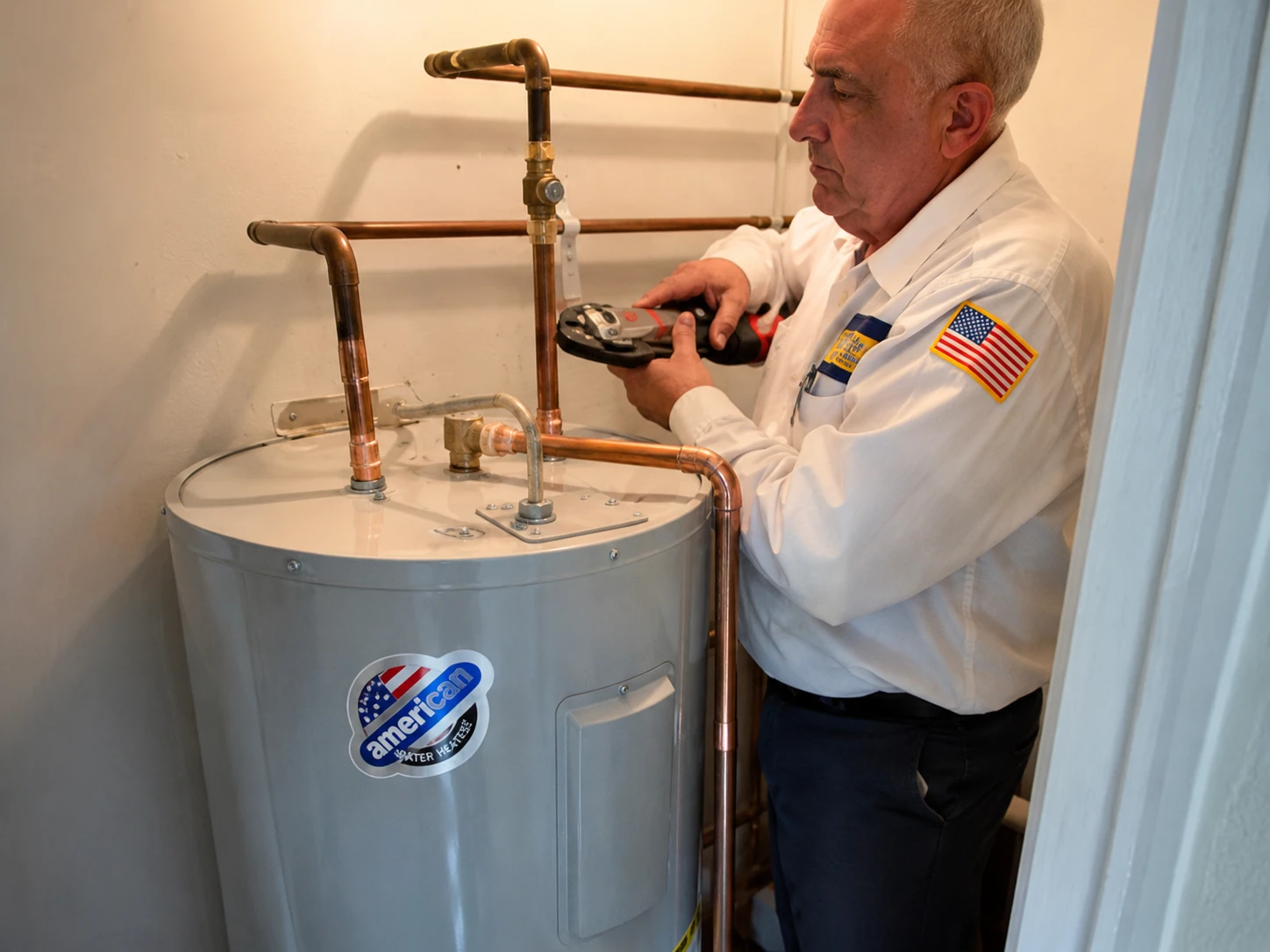
Boiler Installation + Indirect Hot Water: One System, Two Jobs.
Heating + domestic hot water planned together.
If the boiler also makes the home’s hot water, the replacement has to account for both heating demand and hot-water demand. That affects boiler size, controls, priority settings, circulators and piping.
If the existing indirect tank is staying, the new boiler and controls need to be compatible with it. If the tank is also being replaced, the heating and hot-water strategy should be planned together.
For other options, see Manzo’s Long Island water-heater services.
What Changes the Cost of a Boiler Installation on Long Island?
One Long Island Team for the Boiler and the System Around It.
A boiler project can involve heating, plumbing, controls, venting, piping and domestic hot water at the same time. Sal Manzo Plumbing, Heating & Cooling has served Long Island since 1986 and works across those connected systems.
The point is not to fill the page with trophy boxes. It is to give homeowners a clear path from evaluation to a properly planned installation when replacement is actually the right decision.
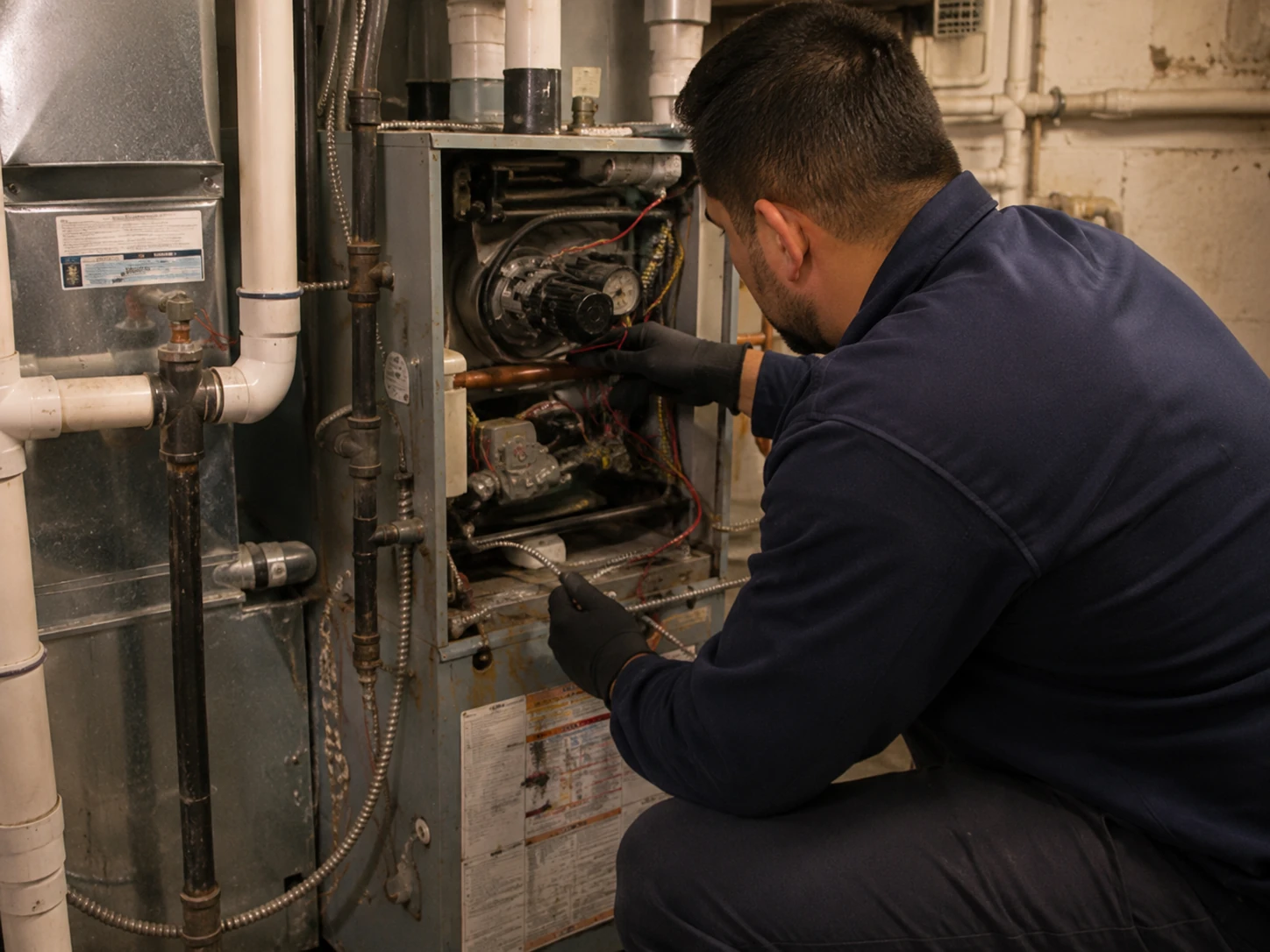
Boiler Installation for Older Long Island Homes
Additions, renovations, mixed heating systems, and older piping can change what a proper replacement requires.
Older Nassau neighborhoods may have steam radiators, baseboard zones added at different times, older chimneys, fuel conversions, indirect hot water, and decades of incremental changes. Newer or remodeled homes may have several zones, additions, and upgraded controls.
If the home has been expanded, insulated, air-sealed, or remodeled, mention those changes during the estimate. Also point out rooms that stay cold, zones that respond slowly, radiators that bang, baseboard that never warms evenly, or recurring pressure problems.
What changes in older Long Island homes?
- Steam radiators and older near-boiler piping
- Baseboard zones added at different times
- Older chimneys or venting limitations
- Fuel conversions and mixed system types
- Indirect hot water or added zones
- Renovations that changed the original heat load
Steam & radiators
Old distribution systems need the right boiler and piping.
Additions & mixed zones
Different eras of remodeling can change heating demand.
Fuel & venting changes
Conversions and chimney conditions can alter the scope.
Boiler Installation Across Nassau County and Nearby Suffolk
Closest to Wantagh
South Shore / Nearby
Massapequa 11758Massapequa Park 11762Farmingdale 11735Plainview 11803
Related Heating Services for Long Island Homes
Need something beyond installation? These services connect directly to the same heating system.
Questions Long Island Homeowners Ask Before Installing a Boiler
How do I know if I need a new boiler?
A new boiler becomes worth considering when failures repeat, the system is leaking or corroded, efficiency and comfort have declined, parts are difficult to obtain, safety or venting concerns exist, or the cost of keeping the old equipment reliable no longer makes sense. An isolated repair on an otherwise dependable boiler may still be the better choice.
How long does a boiler installation take?
Installation time depends on the system. A straightforward replacement can be much simpler than a steam repipe, fuel conversion, high-efficiency venting change, major zone-control upgrade, or project that also includes an indirect water heater. The installation scope should explain the expected work before the project begins.
Do you install both steam and hot-water boilers?
Yes. Boiler installation planning should first identify whether the home uses steam or hydronic hot-water heat because equipment sizing, piping, controls, and commissioning differ significantly between the two system types.
Can I replace a standard boiler with a high-efficiency condensing boiler?
Often, but the home needs to be evaluated for venting, combustion air, condensate drainage, piping, operating water temperatures, radiation, controls, and available installation space. A condensing boiler should be selected because it fits the system, not simply because its efficiency number looks attractive.
Does a new boiler need a new chimney liner or new venting?
Sometimes. The answer depends on the boiler type, fuel, existing chimney, vent materials, draft requirements, and whether the new equipment uses conventional chimney venting or sealed/direct venting. Venting should be reviewed as part of the installation, not treated as an afterthought.
How is the correct boiler size determined?
Sizing should be based on the home and heating system rather than automatically copying the old boiler rating. Hydronic systems require a review of heating load and distribution. Steam systems require special attention to the connected radiation. Home improvements and additions can also change the original heating demand.
Will a larger boiler heat my house better?
Not necessarily. Oversized boilers can short-cycle, operate less efficiently, increase wear, and make comfort control more difficult. The goal is a boiler correctly matched to the heating requirement and distribution system.
Can the existing radiators or baseboard stay with a new boiler?
In many replacements, yes. Existing radiation can often remain if it is in usable condition and compatible with the new system. The installer should still review radiator, baseboard, valve, piping, and zoning condition so old distribution problems are not carried into the new installation.
Can a boiler also make domestic hot water?
Yes. Many homes use an indirect water heater connected to the boiler. If the boiler will also serve domestic hot water, the installation should account for the indirect tank, piping, circulator or zone valve, control strategy, and household hot-water demand.
What affects boiler installation cost on Long Island?
Major cost factors include boiler type and efficiency, steam versus hydronic work, venting, chimney or condensate requirements, fuel work, near-boiler piping, circulators and controls, indirect water-heater integration, access, removal, and any code-related upgrades. The dedicated boiler replacement cost page should provide the deeper pricing discussion.
Do you offer financing or boiler installation specials?
Manzo promotes financing options and a current limited-time $1,000 offer on qualifying boiler installation or replacement. Homeowners should mention the offer when booking and confirm eligibility and terms with the office before scheduling work.
What areas do you serve for boiler installation?
Manzo serves core Nassau County communities and selected nearby Suffolk County areas, including Wantagh, Seaford, Bellmore, Merrick, Massapequa, Levittown, East Meadow, Bethpage, Hicksville, Plainview, Farmingdale, Babylon, and surrounding Long Island communities.
What should I tell the office when requesting a boiler estimate?
Share the approximate boiler age and fuel type, whether the system is steam or hot water if you know, the symptoms or reasons for replacement, any history of leaks or repairs, whether the boiler also makes domestic hot water, major home additions or insulation upgrades, and any rooms or zones that have persistent comfort problems.